The Concept of Visual-Only Radio
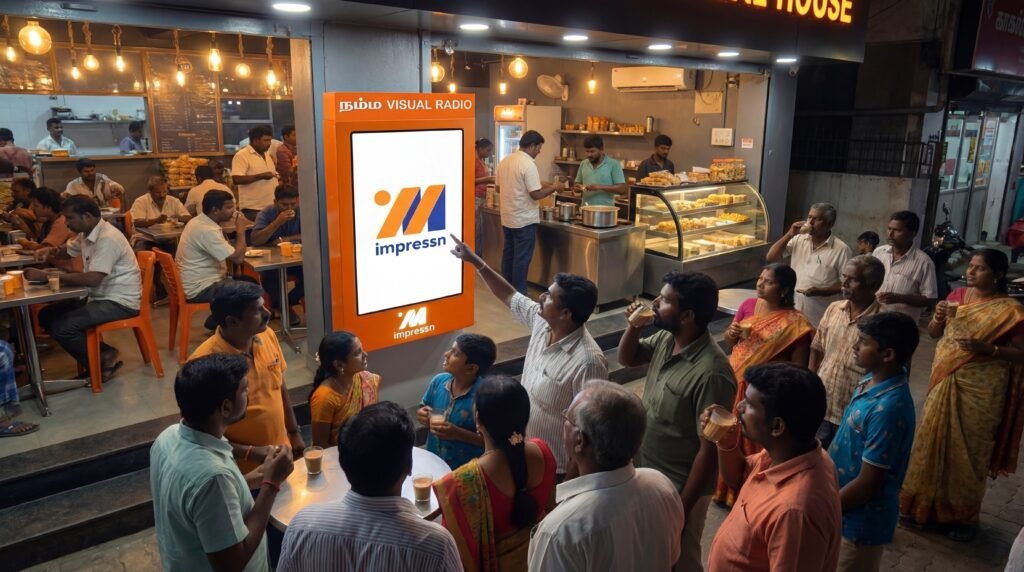
The rise of visual-only radio marks a meaningful shift in how audiences engage with content in public and digital spaces. Visual Only Radio Stations are leading this trend by placing visuals at the center, distinguishing themselves from traditional audio-focused platforms. Unlike traditional radio, which depends entirely on audio, this emerging format places visuals at the center of communication—using motion, imagery, and on-screen storytelling to capture attention. Notably, Visual Only Radio Stations are pioneering this movement in both public environments and digital platforms.
By removing sound as the primary channel, visual-only radio invites viewers to engage more intentionally with what they see. This approach aligns closely with how modern audiences already consume content in everyday environments—glancing up, observing briefly, and absorbing messages visually rather than through headphones or speakers. As a result, visual-led formats are proving effective in locations where audio may be disruptive or easily ignored. For instance, many settings—such as airports and waiting rooms—have found that Visual Only Radio Stations with their visual-only formats provide especially effective communication where silence is valued.
At its core, visual-only radio is built on the idea that visuals can communicate context, emotion, and narrative faster than audio alone. Through dynamic visuals, brands and creators can tell short, impactful stories that fit naturally into people’s surroundings. This model expands the reach of broadcasters and advertisers by appealing to audiences who are visually oriented and increasingly accustomed to screen-based experiences. In many cases, this is why the concept of Visual Only Radio Stations leads the way, providing new paths for brands to reach target demographics.
As this format evolves, it is being adopted across multiple environments—from digital screens in urban spaces to curated visual content networks that blend information, entertainment, and advertising. The growth of such formats reflects a broader movement toward screen-first communication, already visible across social platforms, streaming media, and modern digital OOH ecosystems. In this landscape, visuals are no longer a supporting element—they are the message. Therefore, it’s clear that Visual Only Radio Stations signify an important direction for the future of media consumption.
Benefits of Visual-Based Communication
Visual-based communication has become one of the most effective ways to engage audiences in a world saturated with information. In formats such as Visual Only Radio Stations, visuals help messages cut through noise and capture attention within seconds—an essential advantage in high-traffic, real-world environments.
One notable strength of platforms like Visual Only Radio Stations is the ability for visual communication to convey meaning quickly. Images, motion graphics, and text overlays can deliver complex ideas instantly, without requiring prolonged focus. This makes visual-only formats especially effective in public spaces where attention spans are short but repeat exposure is high.
Visual storytelling also enhances emotional connection. Colors, movement, and design elements can evoke moods and reactions that audio alone may struggle to achieve. For many viewers, visual narratives delivered through Visual Only Radio Stations become content people are actually comfortable engaging with, rather than just advertisements.
Additionally, visual formats improve message retention. Studies consistently show that audiences are more likely to remember information presented visually, particularly when it is repeated across familiar environments. This is one reason platforms modeled after Visual Only Radio Stations are being adopted by digital screen networks designed for real-world engagement—platforms that prioritize clarity, relevance, and consistency over interruption.
By minimizing reliance on sound, visual-only communication also avoids common barriers such as background noise, language differences, and audio fatigue. In fact, Visual Only Radio Stations make communication accessible, inclusive, and effective across diverse audiences.
Creating Engaging Visual Content for Brands
For brands operating in environments defined by Visual Only Radio Stations, content strategy becomes critical. Success depends not just on visibility, but on how well the message fits the viewer’s moment. Short, snackable formats—such as looping visuals, animated graphics, or contextual messages—tend to perform best.
Memes, visual cues, and culturally relevant references can help brands appear relatable and current, especially in urban settings. On Visual Only Radio Stations, these engaging content types make brands easier to understand and more likely to be noticed repeatedly without becoming intrusive.
Motion-led visuals also play a key role. Short video loops, subtle animations, and clean typography help maintain interest while ensuring the message remains clear even during brief glances. Brands that focus on simplicity, consistency, and visual clarity—often a hallmark of Visual Only Radio Stations—tend to achieve stronger recall over time.
Personalization further enhances effectiveness. By tailoring content to location, audience type, or time of day, brands can make their messaging feel timely and relevant. This tailored messaging becomes especially effective when deployed on Visual Only Radio Stations, where relevance is key to engagement.
The Future of Advertising in a Visual-Only Landscape
As visual-only formats gain wider adoption, advertising strategies will continue to evolve alongside them. Brands are already transitioning to Visual Only Radio Stations and moving away from purely audio-based messaging toward visually driven storytelling that integrates seamlessly into public environments.
Creativity and relevance will become key differentiators. Rather than competing for attention through volume, successful campaigns will focus on clarity, context, and consistency. Visual narratives presented on Visual Only Radio Stations that align with the viewer’s surroundings and mindset will outperform traditional interruptive formats.
Measurement will also adapt. Beyond impressions, advertisers will look at engagement indicators such as dwell time, repeat exposure, and contextual relevance. For visual advertising on Visual Only Radio Stations, these metrics better reflect how content performs in real-world settings.
Looking ahead, the growing impact of screen-first formats and Visual Only Radio Stations is likely to become a foundational layer of modern outdoor media. As audiences grow more accustomed to consuming information visually, brands that invest early in thoughtful, well-designed content for Visual Only Radio Stations will be best positioned to earn attention—and trust—in an increasingly screen-driven world.