
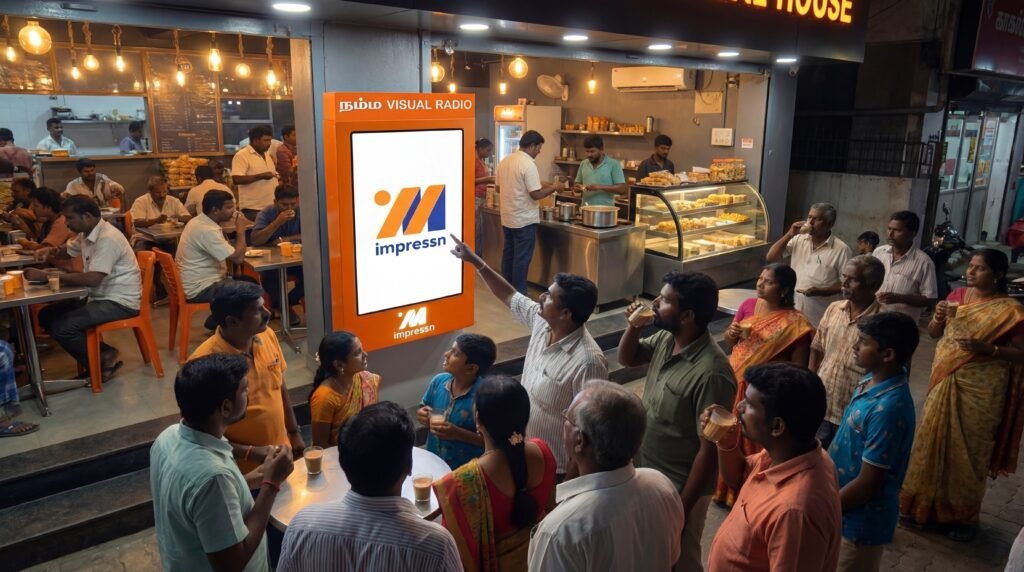
Outdoor advertising has long been part of everyday city life—from billboards at junctions to posters on walls. But as consumer behavior changes, so does the way brands need to communicate. Static formats are slowly giving way to digital screens that offer flexibility, relevance, and stronger engagement.
Digital screens stand out because they are dynamic. Unlike printed ads, content can be updated instantly, scheduled by time of day, or tailored to specific locations. This allows brands to stay timely and context-aware, which is increasingly important in fast-moving urban environments.
Another key advantage is attention quality. Digital screens placed in high-footfall locations such as food streets, cafés, fitness centers, and local hangouts benefit from natural dwell time. People are not rushing past—they are waiting, relaxing, or socializing. In these moments, visual content is more likely to be noticed and remembered.
Digital outdoor media also supports storytelling. Short videos, motion graphics, and text overlays make it easier to convey messages clearly within seconds. When ads are blended with engaging content, they feel less intrusive and more acceptable to viewers.
As cities become more screen-driven, digital outdoor advertising is no longer just about visibility—it’s about relevance, timing, and experience. Brands that adopt digital-first outdoor strategies are better positioned to earn attention where it truly matters: in the real world.